CAQM Direction No. 71 Explained: What DG Set Owners Must Know
Diesel Generator (DG) sets are a critical source of backup power, but they are also a significant contributor to air pollution, especially in urban regions like the National Capital Region (NCR).
To address this, the Commission for Air Quality Management (CAQM) issued Direction No. 71, strengthening regulatory control over DG set operations and emissions.
This blog explains:
What CAQM Direction No. 71 is
Why it matters for DG set owners
What compliance means in practice
How emission control devices like RECD help meet regulatory requirements
What Is CAQM Direction No. 71?
CAQM Direction No. 71 was issued under the statutory powers of CAQM to protect and improve air quality in the NCR.
The direction recognises that:
DG sets are a major source of particulate matter (PM), NOx, and other pollutants
Temporary restrictions alone are not enough
Long-term emission control measures are necessary
Direction No. 71 laid the foundation for stricter regulation of DG set usage, moving beyond short-term bans during high-pollution days and towards technology-based emission reduction.
Why CAQM Issued Direction 71
DG sets are widely used by:
Commercial buildings
Hospitals
Data centres
Industrial facilities
Residential complexes
However, uncontrolled DG set operation significantly worsens air quality.
CAQM identified that:
DG sets continue operating even during severe air pollution episodes
Emissions from older and high-capacity DG sets are especially harmful
Air quality goals cannot be met without controlling DG emissions at source
Direction No. 71 was therefore issued to enforce accountability and emission reduction, not just usage restrictions.
Who Does Direction No. 71 Apply To?
Direction No. 71 applies to all DG set operators in NCR, including:
Industrial units
Commercial establishments
Infrastructure facilities
Institutions using diesel generators for backup power
It applies irrespective of DG set capacity and focuses on how emissions are controlled, not merely when DG sets are used.
What Does Compliance Mean for DG Set Owners?
Under CAQM’s regulatory framework, DG set owners are expected to adopt approved emission control or cleaner technologies.
This includes:
1. Emission Control Measures
DG sets must be equipped with emission reduction solutions that reduce particulate matter and gaseous pollutants.
2. Certified & Approved Devices
Only tested and approved systems are acceptable for compliance. Informal or untested modifications do not qualify.
3. Alignment with CPCB Guidelines
Compliance is aligned with directions issued by the Central Pollution Control Board (CPCB), which mandates approved retrofit emission control devices for DG sets.
Non-compliance can attract penalties, operational restrictions, or enforcement action by authorities.
Why RECD Is a Practical Compliance Solution
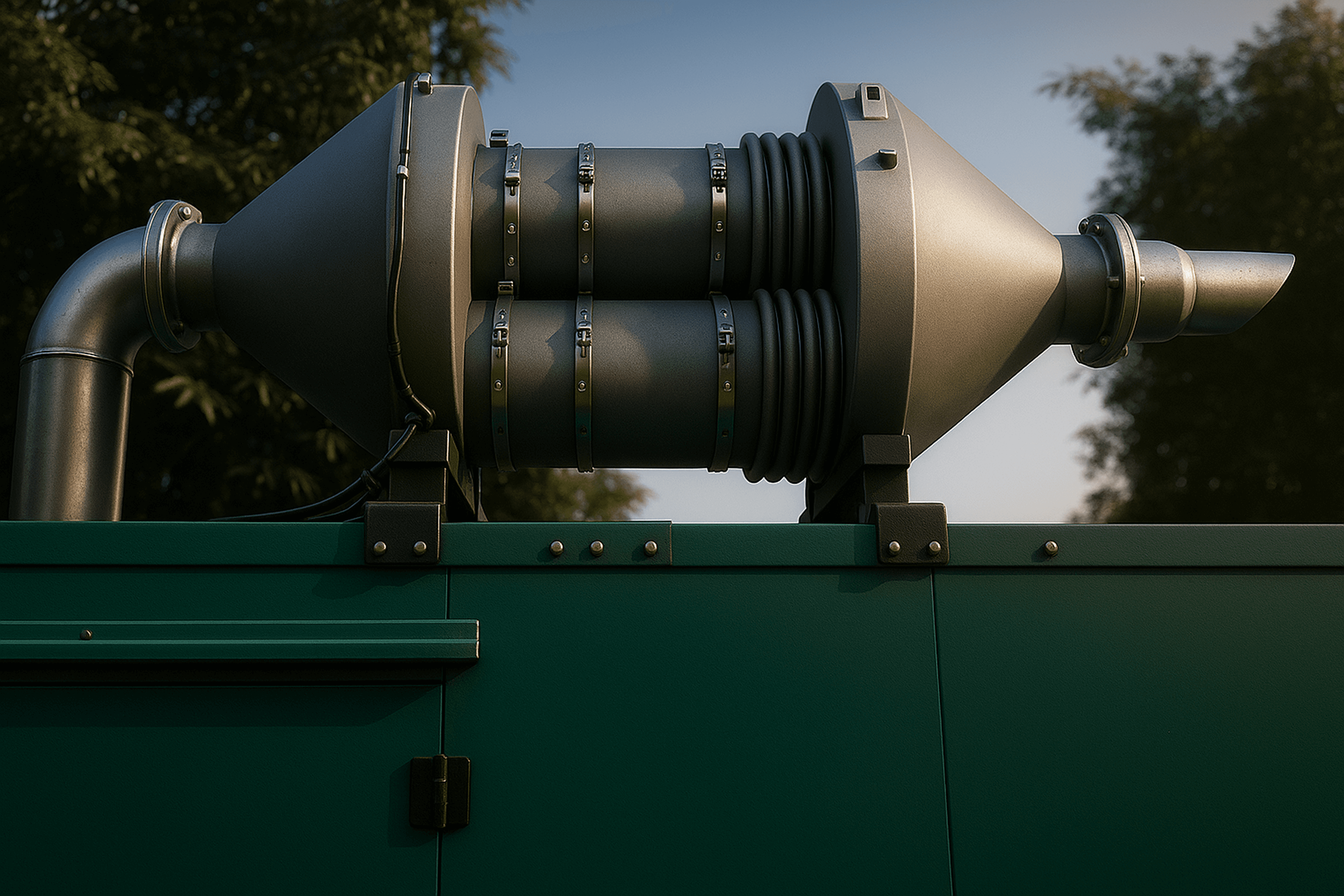
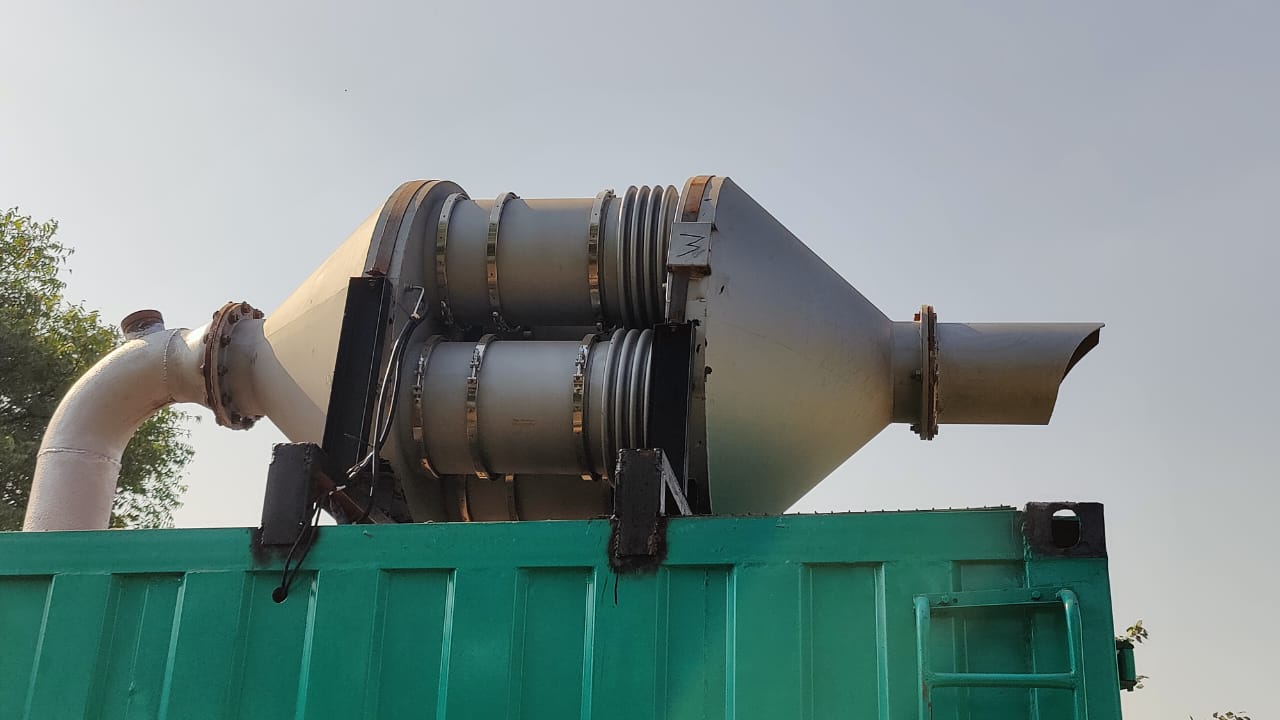
A Retrofit Emission Control Device (RECD) is installed on the exhaust of a diesel generator to reduce harmful emissions at the source.
RECDs are:
Designed specifically for existing DG sets
Installed without major engine modification
Tested and approved for emission reduction performance
For DG set owners, RECD offers a practical path to compliance without replacing the generator itself.
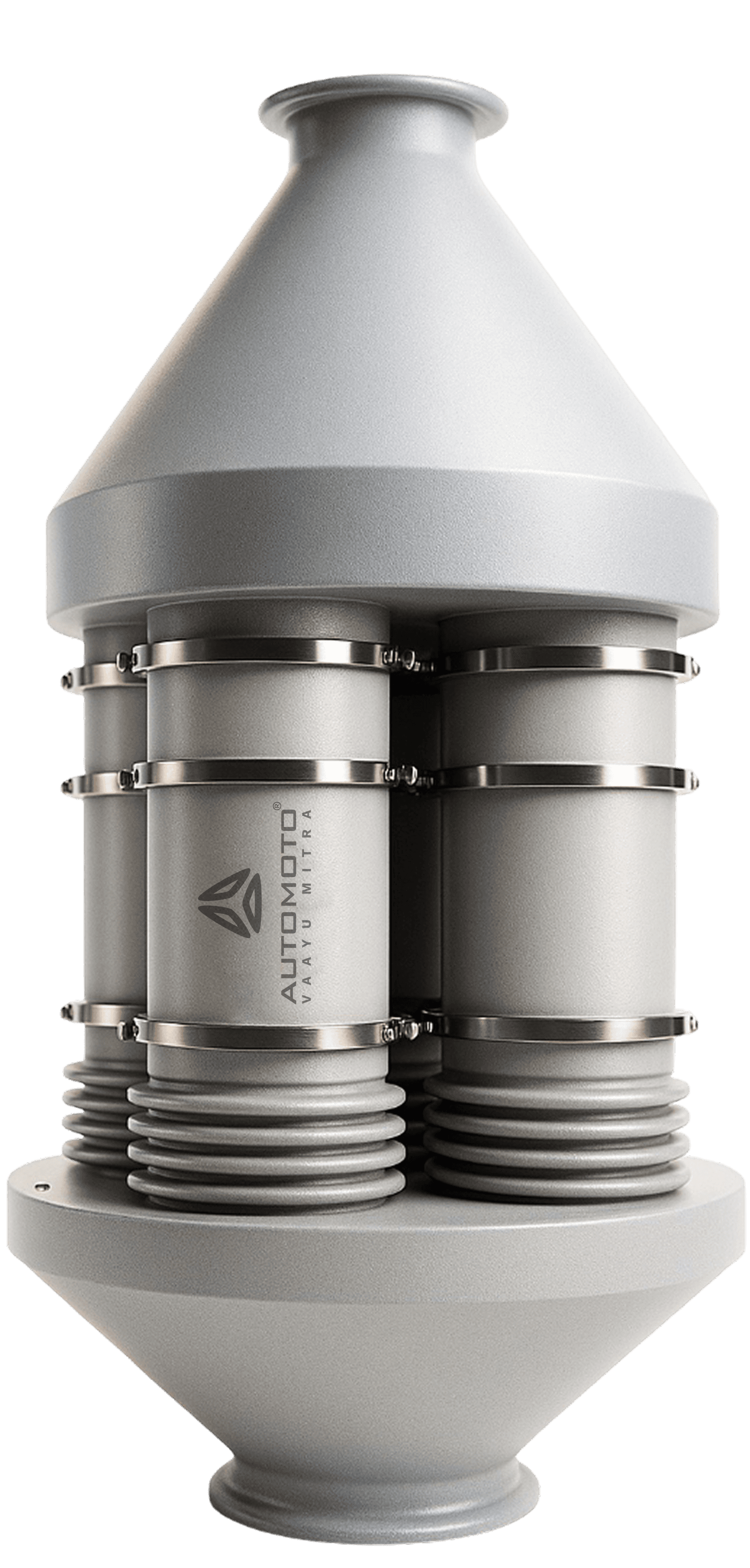
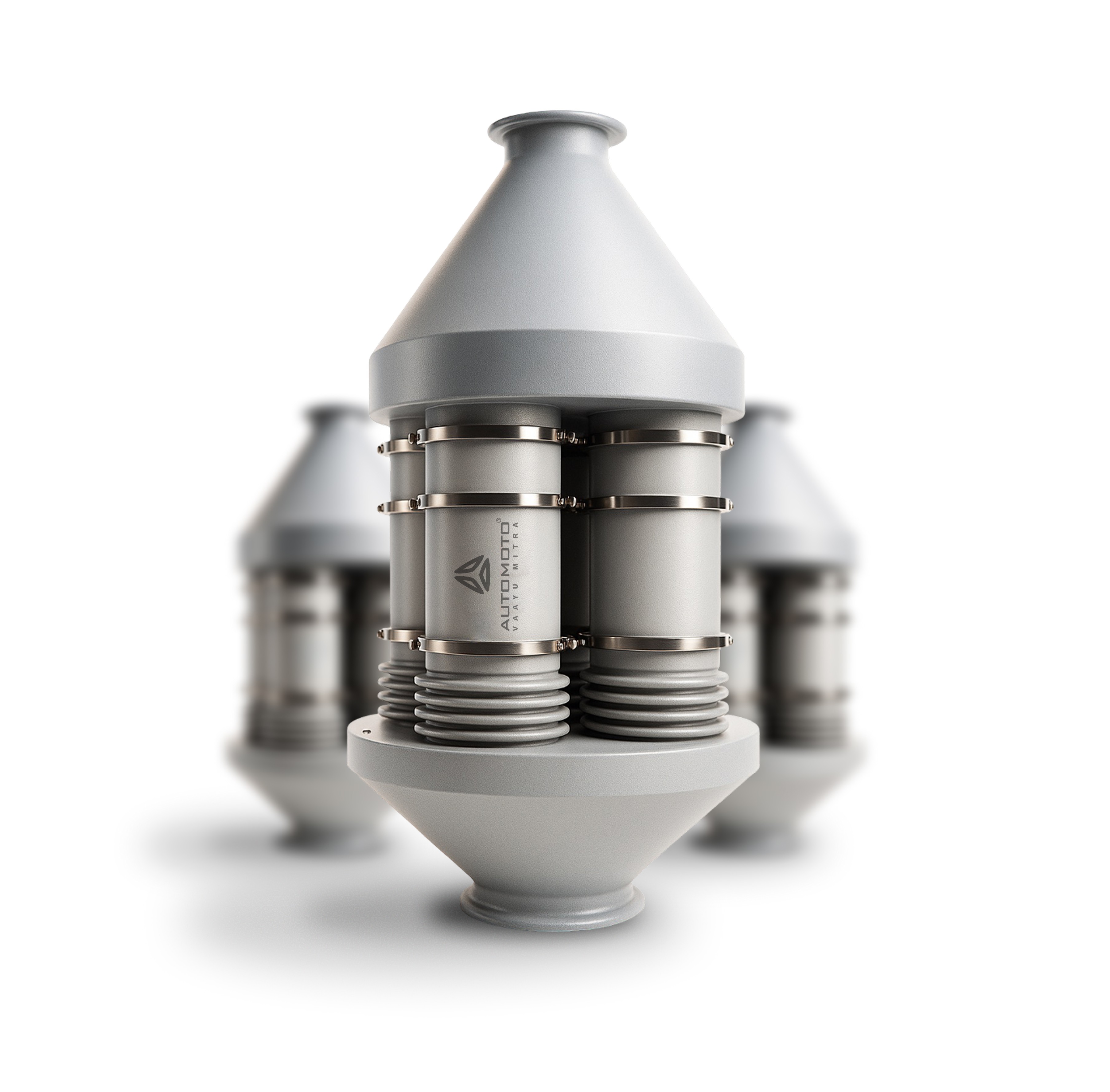
Automoto Vaayu Mitra® RECD | Built for Regulatory Compliance
Automoto Vaayu Mitra® RECD is engineered to help DG sets meet regulatory expectations under CAQM and CPCB frameworks.
Why Choose Automoto Vaayu Mitra® RECD?
Designed to significantly reduce particulate matter and gaseous emissions
Tested and approved as per applicable regulatory guidelines
Suitable for a wide range of DG set capacities
Installed with minimal downtime
Trusted across thousands of installations
By installing a compliant RECD, DG set owners can continue operations while aligning with CAQM Direction No. 71 and broader air-quality mandates.
Explore Automoto Vaayu Mitra® RECD and ensure your DG sets are compliance-ready.
Key Takeaways
CAQM Direction No. 71 strengthens control over DG set emissions in NCR
DG set owners are responsible for reducing emissions, not just limiting usage
Certified emission control devices are central to compliance
RECD provides a proven, retrofit-friendly compliance solution