What is RECD (Retrofit Emission Control Device)
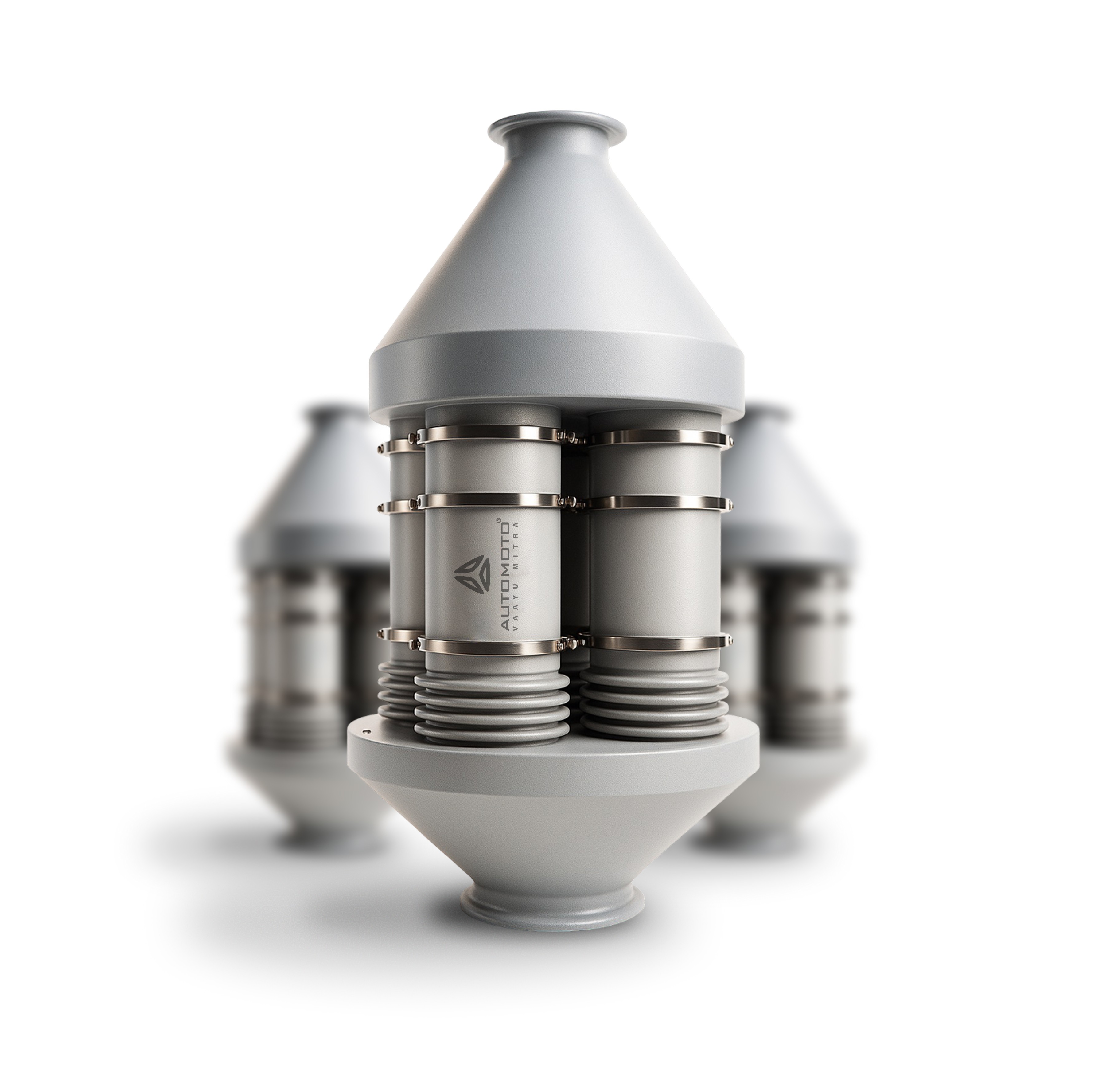
RECD (Retrofit Emission Control Device) is a pollution control technology installed on the exhaust system of diesel generator sets to reduce harmful emissions such as particulate matter (PM), hydrocarbons (HC), carbon monoxide (CO), and nitrogen oxides (NOx).
Definition
A CPCB-approved And ICAT- Tested RECD is a retrofitted after-treatment device that brings non-compliant diesel generators From CPCB I-II For Capacity of ( 15 kW- 800kW ) into CPCB IV conformity with prescribed air quality standards.
Key Characteristics
No engine modifications required As per govt norms
Plug-and-play installation
Low maintenance operation
Mandatory under CPCB & CAQM norms
Why Emission Control Matters in Today’s World
In a world facing rising air pollution and increasingly strict emission regulations, diesel generator (DG) set operators are under growing pressure to comply with eco-friendly norms. RECD—Retrofit Emission Control Devices—offer a CPCB-certified solution designed to control diesel emissions directly at the source.
Whether you are a factory owner, real estate developer, facility manager, or energy consultant, understanding RECD can be a critical step toward long-term compliance and sustainable operations.
In this guide, we break down what RECD is, how it works, why it matters, RECD vs Traditional DPF and how it aligns with Means Who Needs an RECD India’s evolving emissions roadmap.
How Does Our Automoto RECD Work?
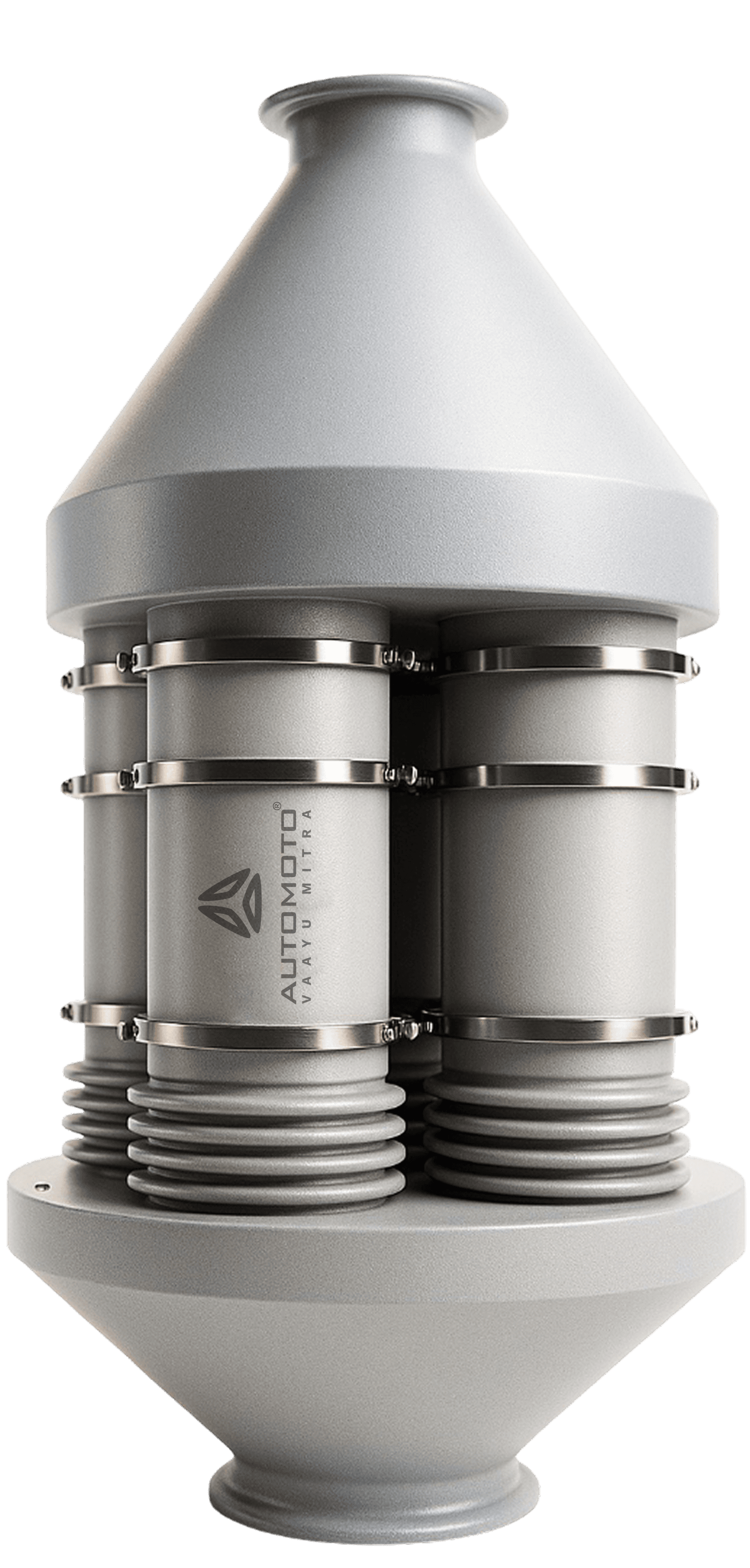
Stage 1: Catalytic Converter
Oxidises harmful exhaust gases by converting hydrocarbons and carbon monoxide into carbon dioxide (CO₂) and water (H₂O).
Stage 2: Diesel Particulate Filter (DPF)
Captures and burns off particulate matter (PM) emitted from DG sets using a ceramic honeycomb structure.
These stages work together to trap and neutralise pollutants before they are released into the atmosphere
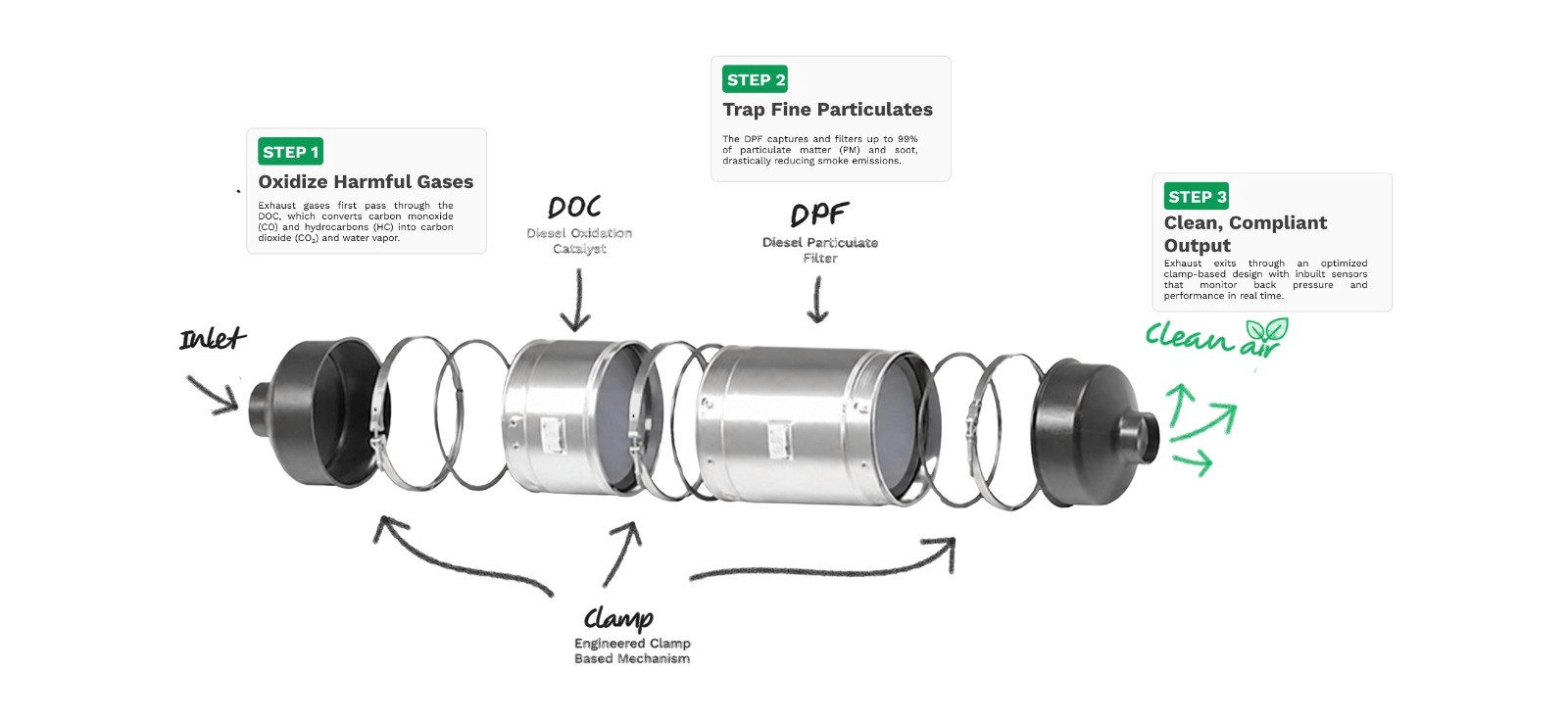
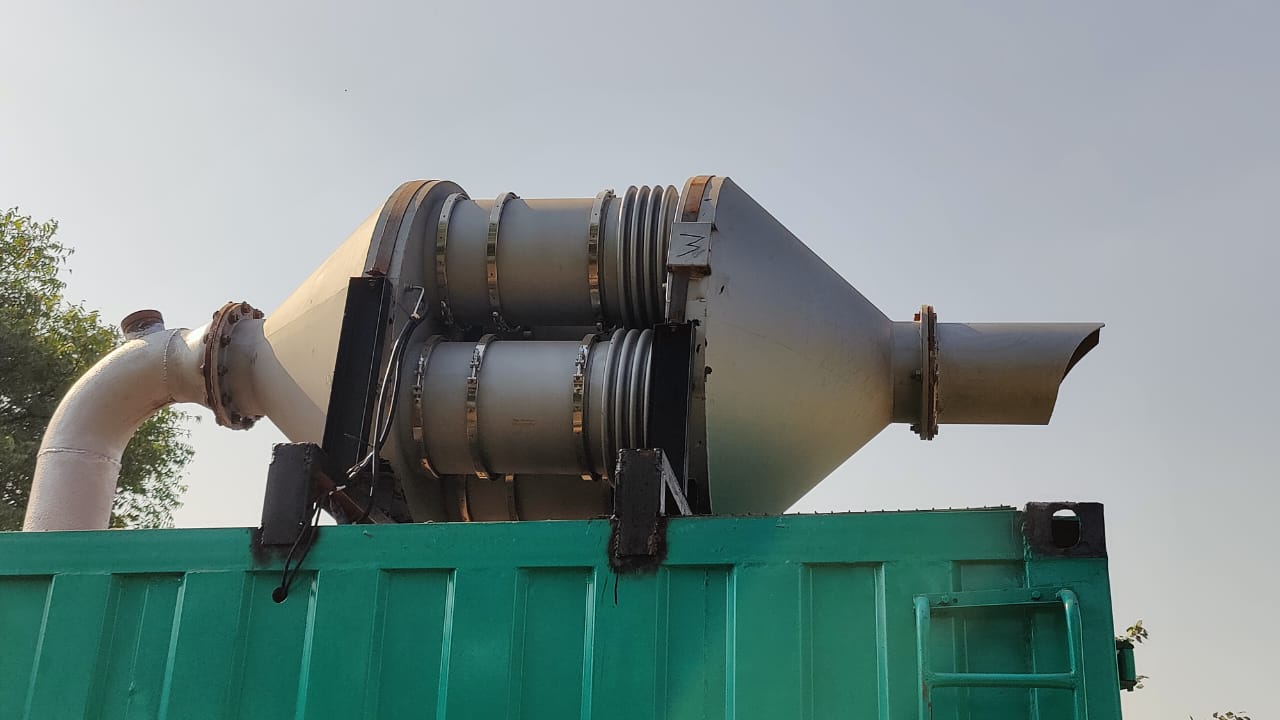
RECD systems are mounted on the DG set exhaust outlet and operate using a two-stage filtration mechanism.
Automoto RECD vs Traditional DPF - What's Better?
Feature | Automoto RECD with | Standard DPF |
|---|---|---|
Emission Reduction | 99.21% | 85-90% |
Engine Modification | Not Required | Sometimes Required |
Fuel Consumption | Zero Extra | 2-3% Extra |
Regeneration | Automatic | Manual Active |
CPCB Approval | Ranges - 15kW to 800 kW | Limited |
Maintenance | Low | Medium |
Installation | 4-6 hours | 8-12 hours |
What's Included in Automoto RECD Cost?
CPCB-approved RECD device with catalytic converter and DPF
Professional installation by certified technicians
Control panel and monitoring system
Initial calibration and emission testing
12-month standard warranty
Technical documentation and compliance certificates
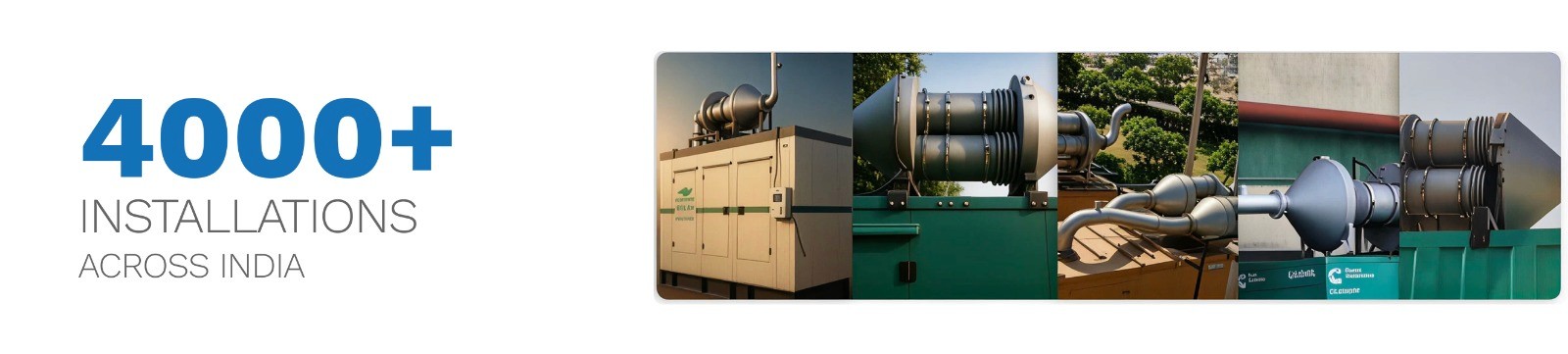
Why 4000+ Industries Trust Automoto Vaayu Mitra® RECD?
ICAT Tested & CPCB Approved:
Helps avoid shutdowns, penalties, and regulatory actions under CPCB and National Green Tribunal (NGT) norms.
Reduced Air Pollution
Achieved up to 99.21% reduction in particulate matter emissions during ICAT testing.
Zero Fuel Consumption
No additional fuel is used for RECD regeneration.
Wide Industry Compatibility
Suitable for DG sets ranging from 15 kVA to 1000+ kVA.
Smart Monitoring
IoT-enabled control panels for real-time emission tracking.
Supports ESG and Sustainability Goals
Helps organisations meet environmental, sustainability, and CSR commitments.
Improved Public and Regulatory Perception
Positions organisations as responsible, compliant, and environmentally conscious.

Who Needs an RECD? Key Industries Benefiting the Most
Real Estate Developers
Industrial Plants and Manufacturing Facilities
Hospitals and Healthcare Institutions
Shopping Malls and Commercial Complexes
Warehouses and Data Centers
Construction Sites
Educational Institutions
RECD solutions are especially relevant for urban and semi-urban areas with active air quality monitoring and stricter enforcement.
Return on Investment (ROI)
While the upfront investment may seem significant, RECD helps you avoid:
CPCB penalties ranging from ₹1-5 lakhs
Operational shutdown costs (₹50,000+ per day in lost productivity)
Environmental compliance violations and legal notices
Damage to corporate reputation and ESG ratings
Frequently Asked Questions
Is RECD mandatory?
Yes. CPCB mandates emission control solutions for diesel generator sets to meet prescribed emission norms.
How long does an RECD last?
With proper operation and maintenance, RECD systems typically last more than 10 years.
What is the particulate capture capacity of Automoto RECD?
Automoto RECD systems are capable of capturing more than 90% of particulate matter emitted by the engine.
What is the price of RECD in India?
Based on DG set capacity. For Example A 125 kVA generator costs around ₹1,50,000-₹2,00,000, including installation. Contact Automoto for exact pricing.
How long does RECD installation take?
Standard diesel RECD installation takes 4-6 hours. Mounting, connecting, calibrating, and testing are included. It's plug-and-play, needs no engine mods, and is done in a day.
Is RECD mandatory under CAQM rules?
CAQM Direction 76 requires NCR diesel generators to install CPCB-approved emission control devices like RECD to avoid penalties, restrictions, or shutdown. RECD ensures emission compliance
Which is the best RECD brand in India?
Automoto Vaayu Mitra®: India's top ICAT-tested, CAQM-approved RECD. 4000+ installed. Choose RECD based on CPCB approval, ICAT certification, 99.21%+ emission reduction, warranty, support, and DG set compatibility.