What Is GRAP and Why It Matters to Everyone in Delhi NCR
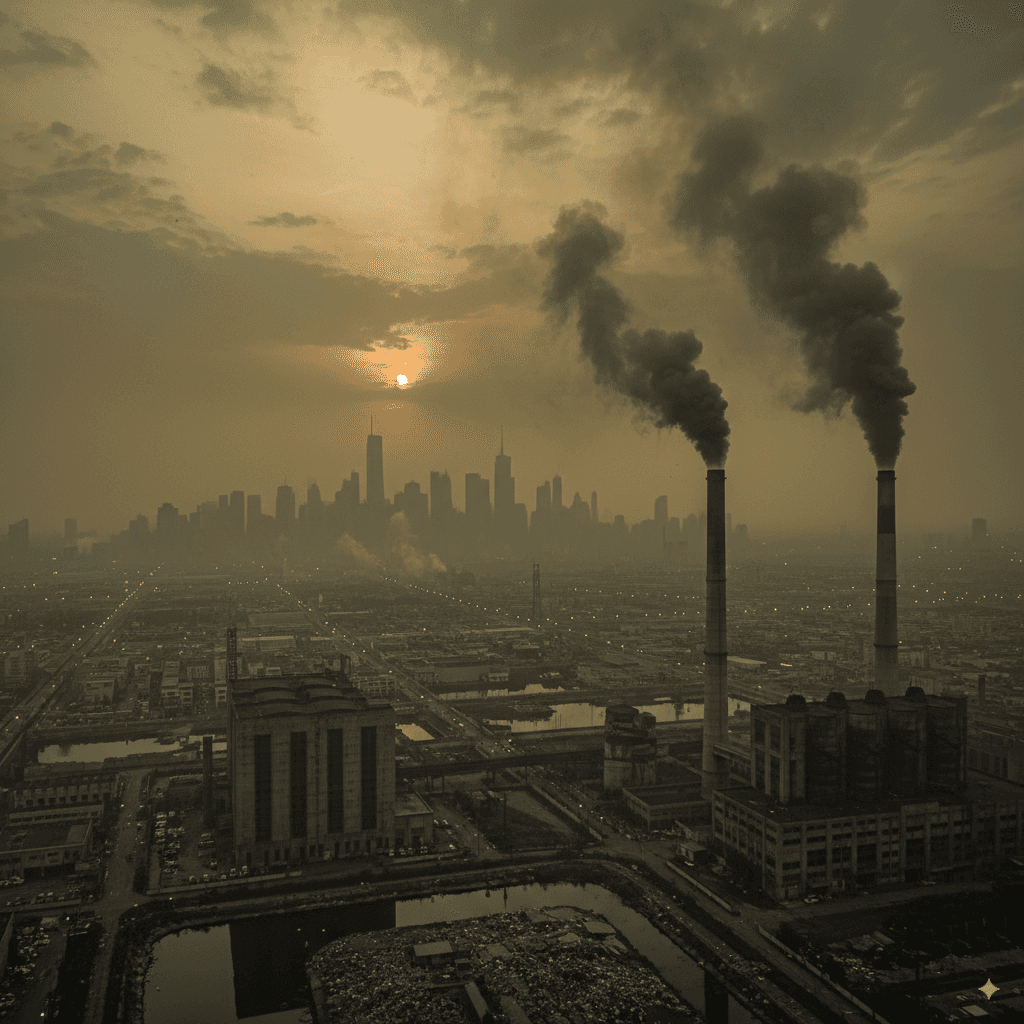
Air pollution in Delhi NCR is not seasonal inconvenience, it is a public health emergency.
To systematically address rising pollution levels, authorities introduced GRAP — the Graded Response Action Plan.
GRAP affects:
Normal citizens
Businesses and institutions
Infrastructure, power, and transport systems
Understanding GRAP helps individuals and organisations prepare, comply, and adapt.
What Is GRAP (Graded Response Action Plan)?
GRAP is a stage-wise action framework that defines what actions must be taken as air quality worsens.
It is implemented by the Commission for Air Quality Management (CAQM) in coordination with pollution control boards and local authorities.
Each stage introduces progressively stricter measures.
GRAP Stages Explained
🟡 GRAP Stage I – Poor Air Quality
Dust control measures
Increased monitoring
Public advisories
🟠 GRAP Stage II – Very Poor Air Quality
Restrictions on diesel generators
Increased vehicle checks
Control on construction dust
🔴 GRAP Stage III – Severe Air Quality
Partial ban on DG sets
Restrictions on construction
Closure of high-polluting industries
🚨 GRAP Stage IV – Severe Plus
Near-total ban on DG sets
Industrial shutdowns
Emergency health advisories
How GRAP Affects Normal People
GRAP impacts daily life through:
Reduced outdoor activities
Health advisories for children and elderly
School closures during severe episodes
Transport and travel disruptions
Impact of GRAP on Businesses
Businesses face:
Operational restrictions
Power backup limitations
Risk of inspections and penalties
Financial losses due to shutdowns
Impact on DG Set Owners
DG set owners are directly affected because:
Diesel generators are high-pollution sources
Usage restrictions tighten with every GRAP stage
Non-compliance can lead to seizure or penalties
Installing emission control solutions becomes essential, not optional.
Impact on Hotels, Hospitals & Commercial Buildings
Hospitals must balance emergency power needs with emission responsibility
Hotels & malls face operational disruptions
Commercial buildings risk non-compliance notices
Regulators expect cleaner and controlled DG operations, especially in high-occupancy spaces.
GRAP Is Moving Toward Long-Term Compliance
GRAP is no longer just about temporary bans. Authorities are shifting toward:
Cleaner technologies
Retrofit emission controls
Accountability for emission sources
How Automoto Helps You Stay GRAP-Ready
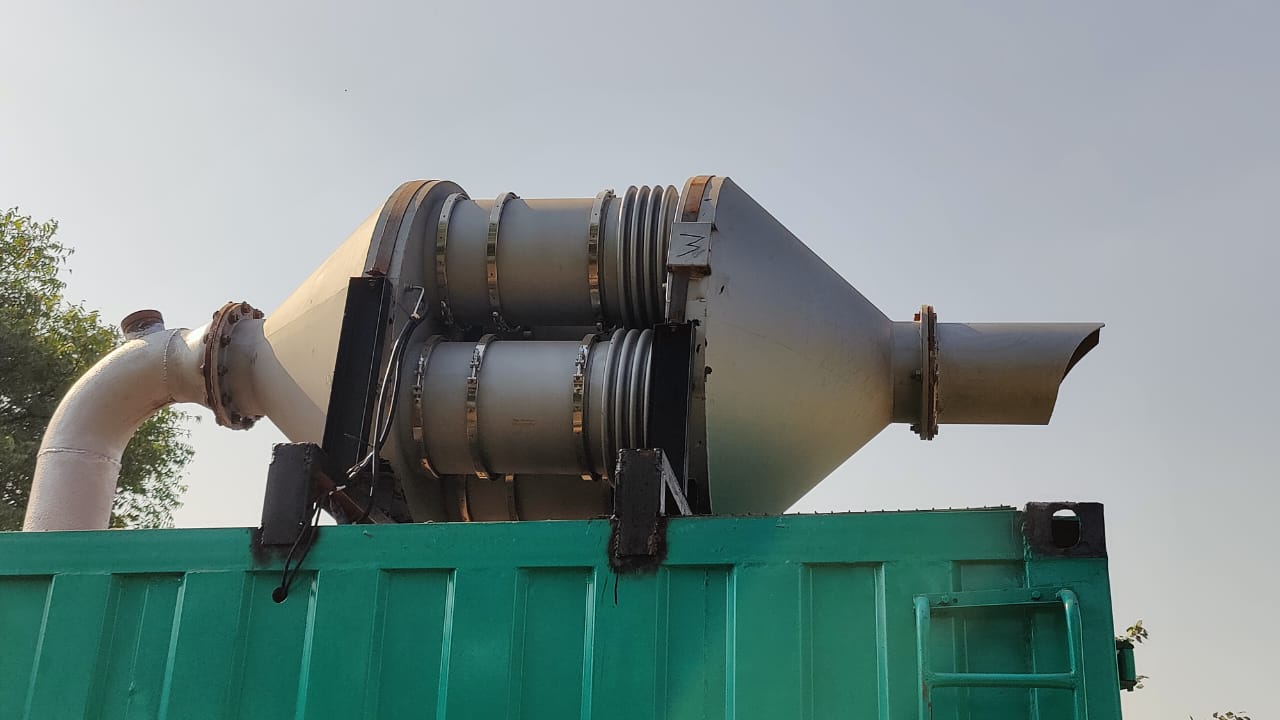
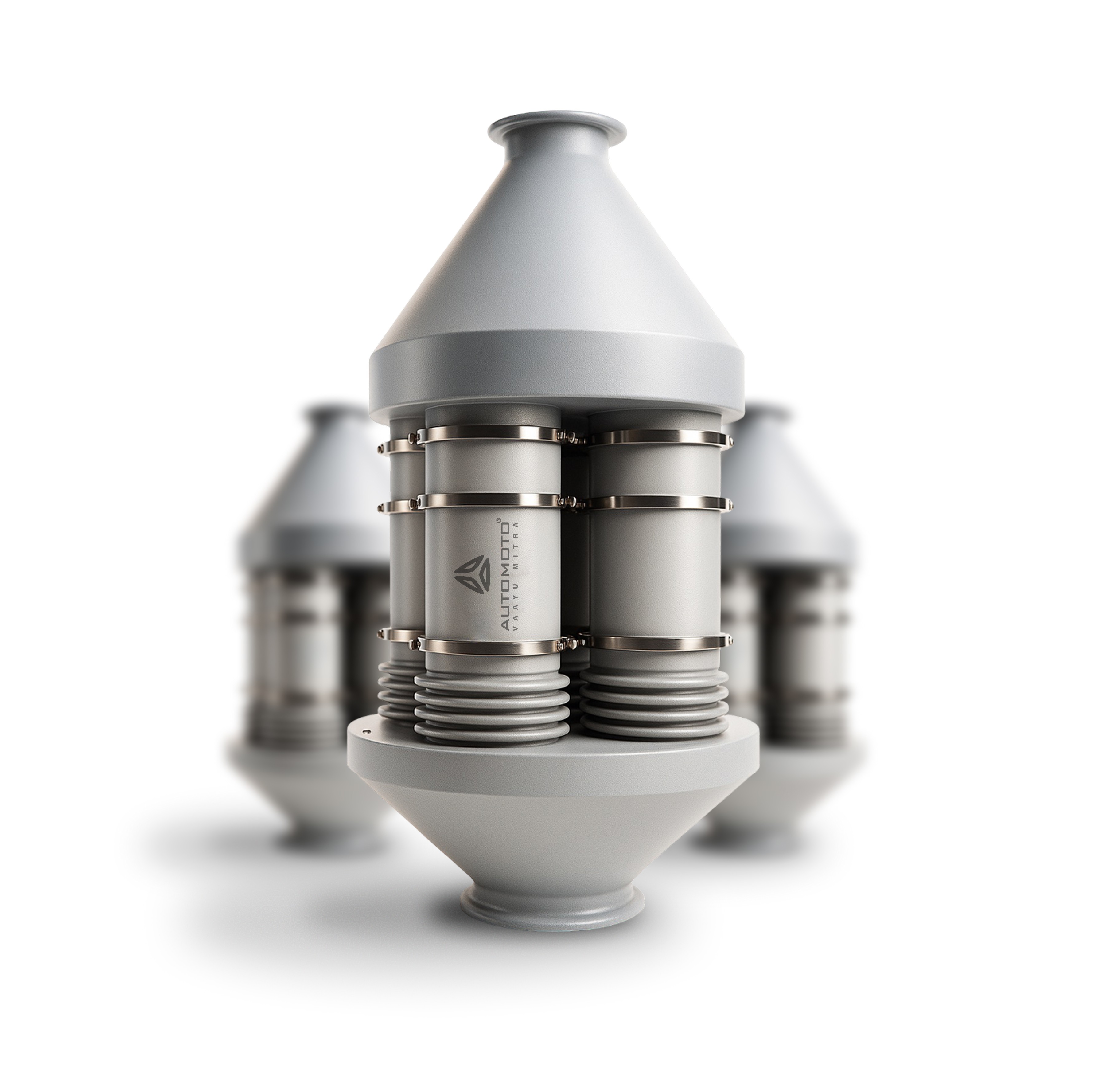
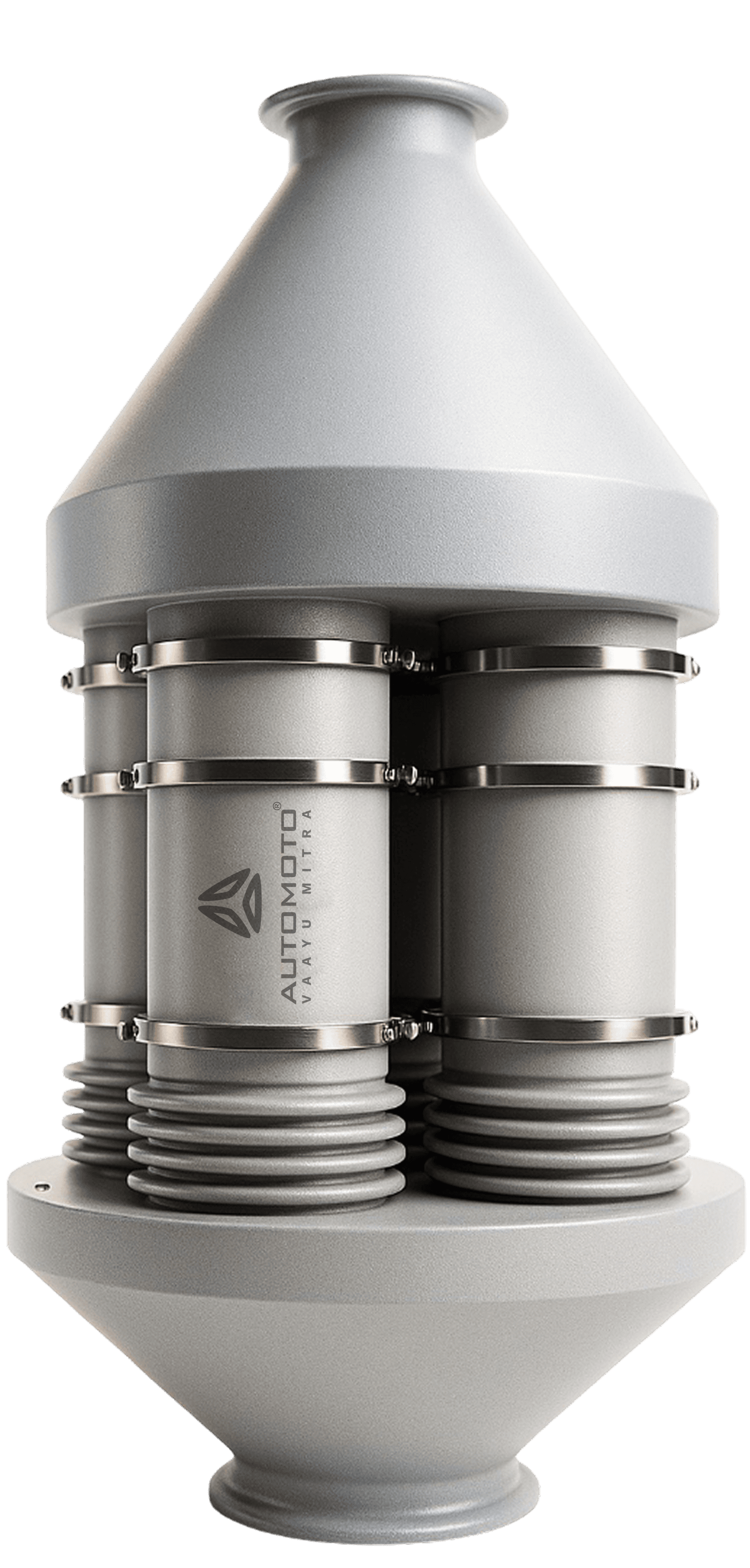
Automoto Vaayu Mitra® RECD helps DG set operators:
Reduce harmful emissions
Align with CPCB and CAQM expectations
Minimise disruption during GRAP enforcement
Make your DG sets GRAP-ready with Automoto Vaayu Mitra® RECD.
Final Thoughts
GRAP affects everyone — individuals and businesses alike
DG set emissions are under increasing scrutiny
Proactive compliance reduces risk and disruption
Emission control is the future of backup power